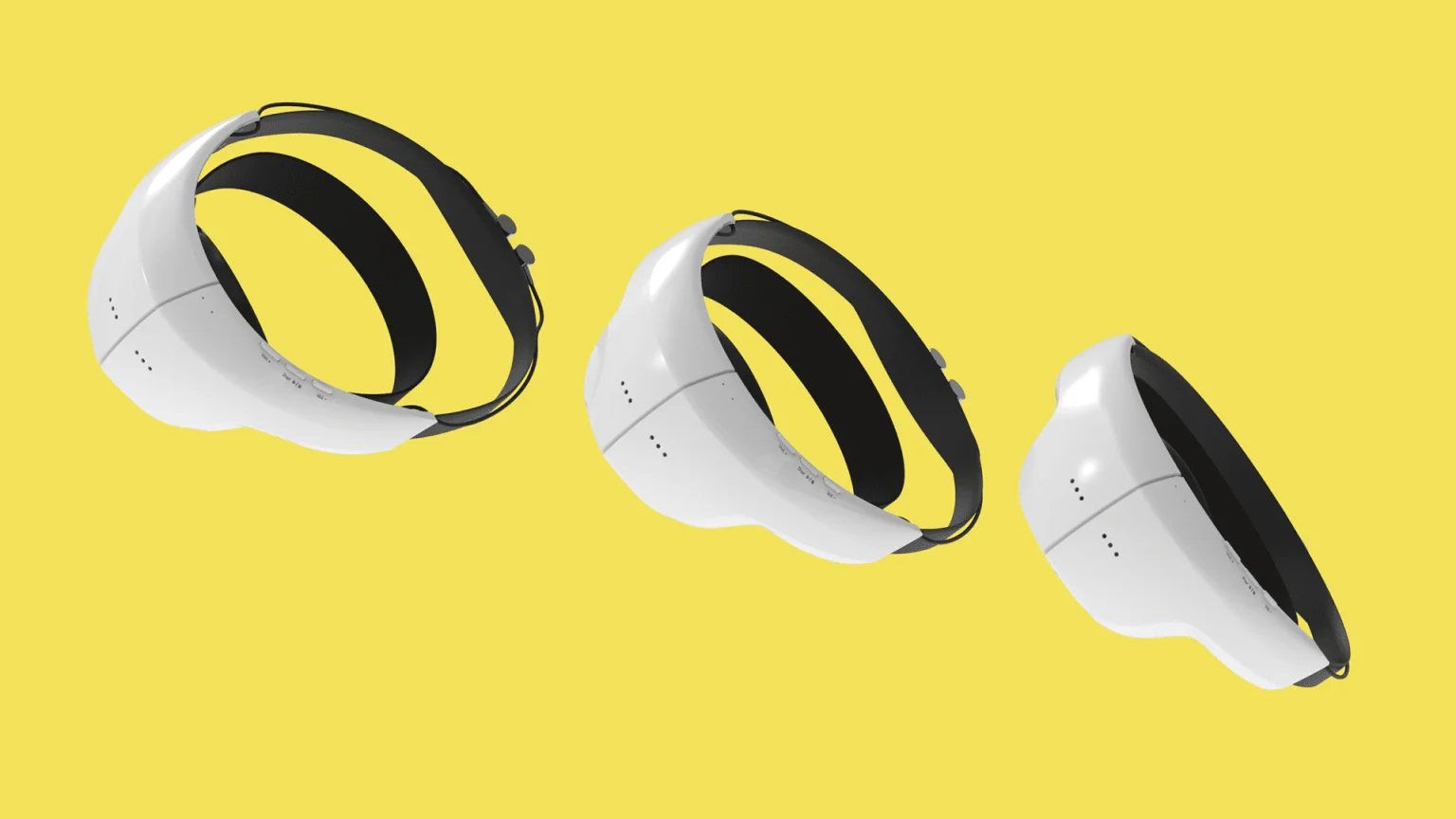
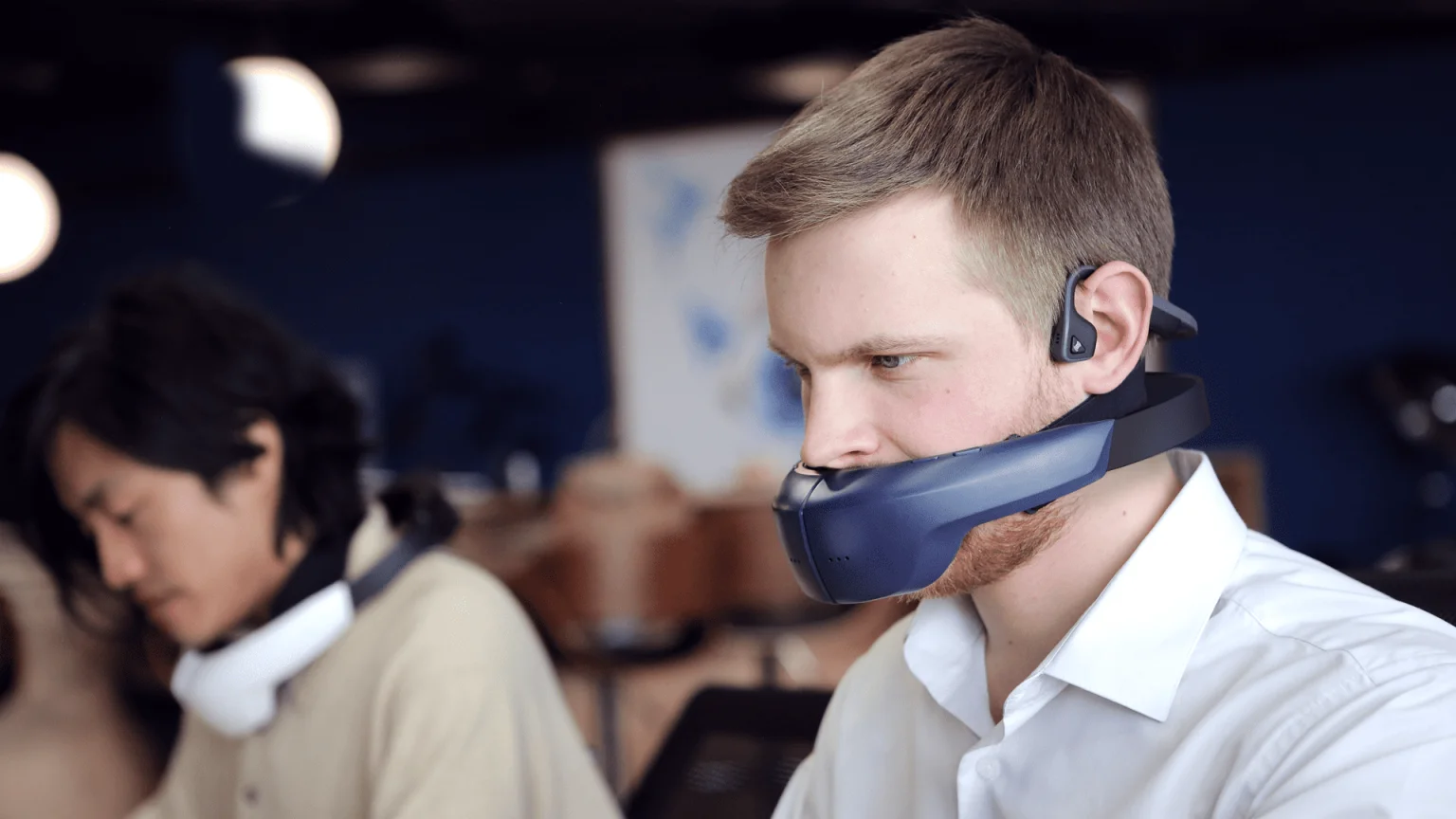
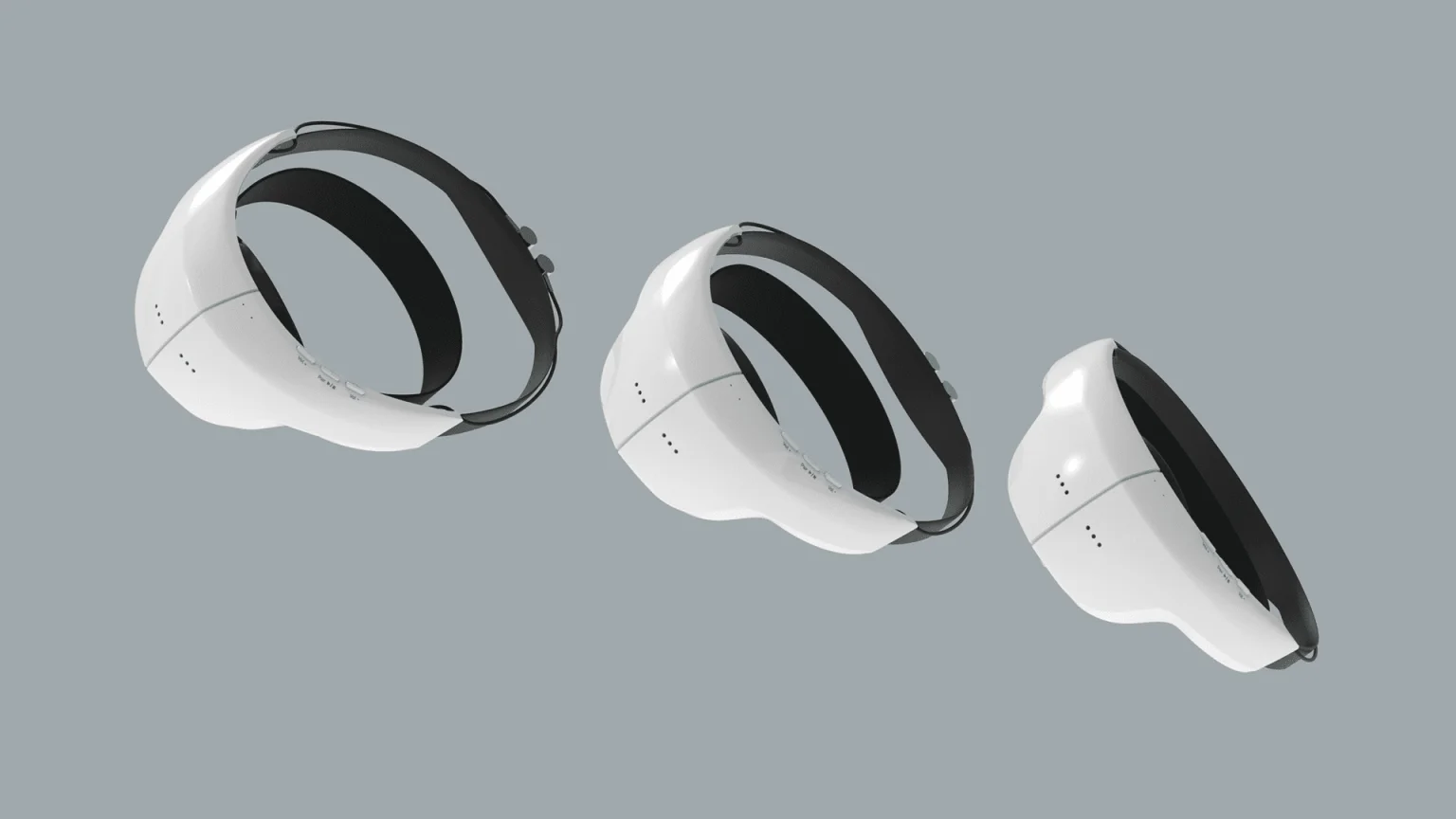
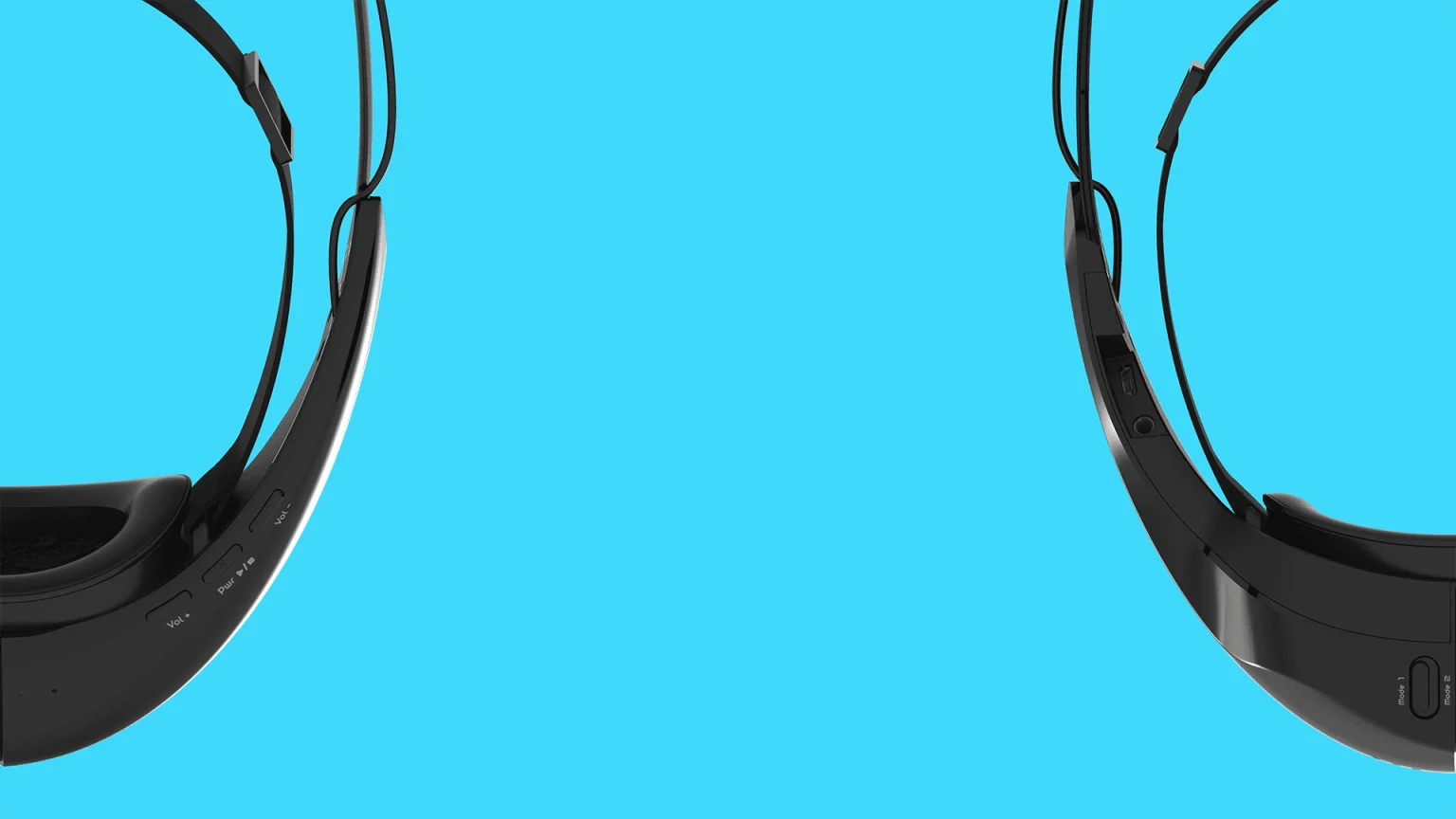
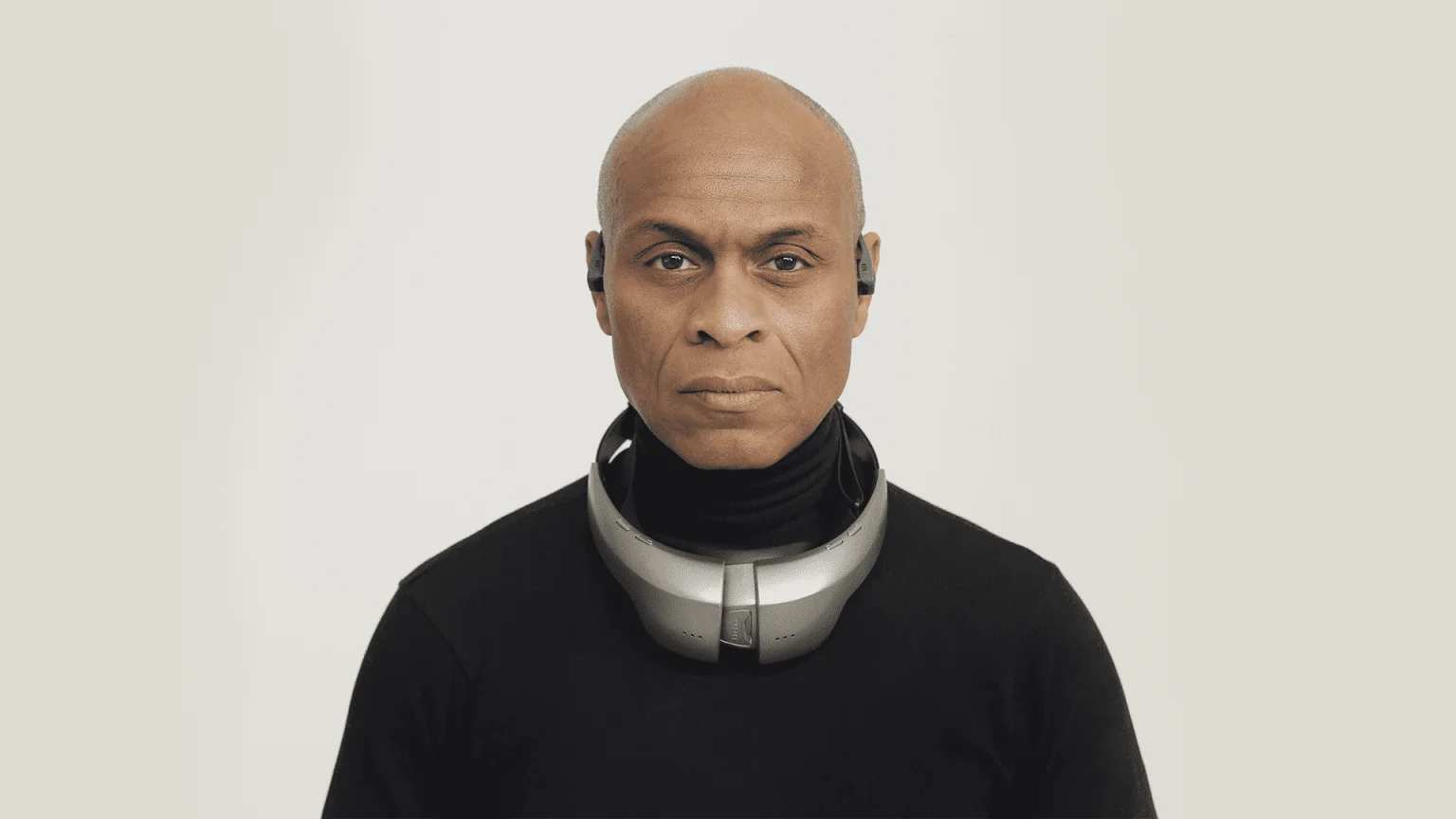
Hushme is a voice mask for private phone calls: it muffles your speech for the people around you and blocks outside noise at the same time. It works as a Bluetooth or wired headset and holds a charge for up to 10 hours. Hushme Classic sold worldwide — to reporters, bloggers and podcasters, travellers and commuters, open-plan office workers and people working from home.
Hushme is an in-house ARTKB startup, which is why we can tell this story in full detail.
Two core requirements: make a mask-shaped device acceptable to wear on the face, and reduce the intelligibility of speech during a phone call.
The gadget originally had two functions — a headset that lowers speech intelligibility, and a voice scrambler that replaced the user's voice with a famous character's.
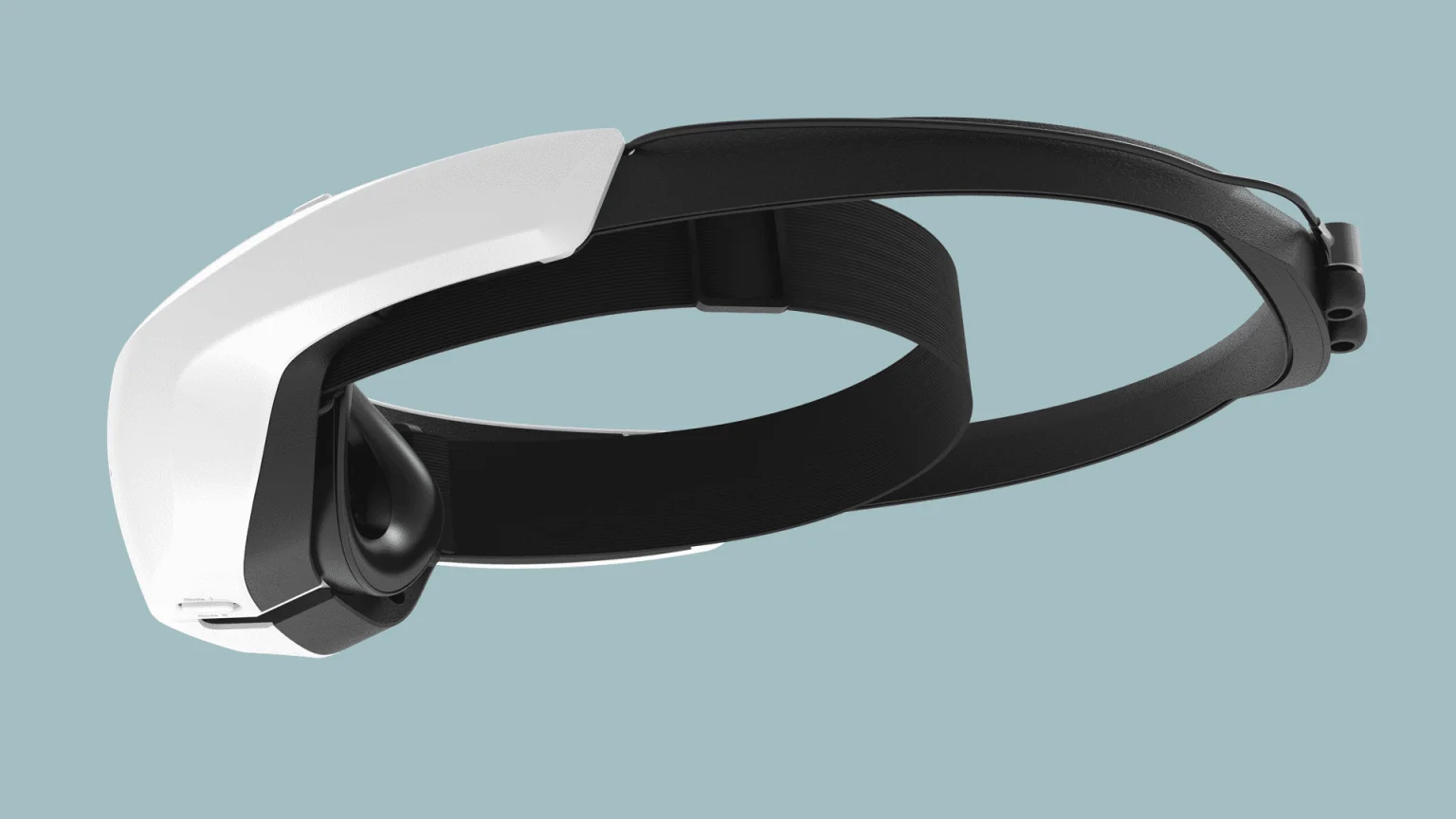
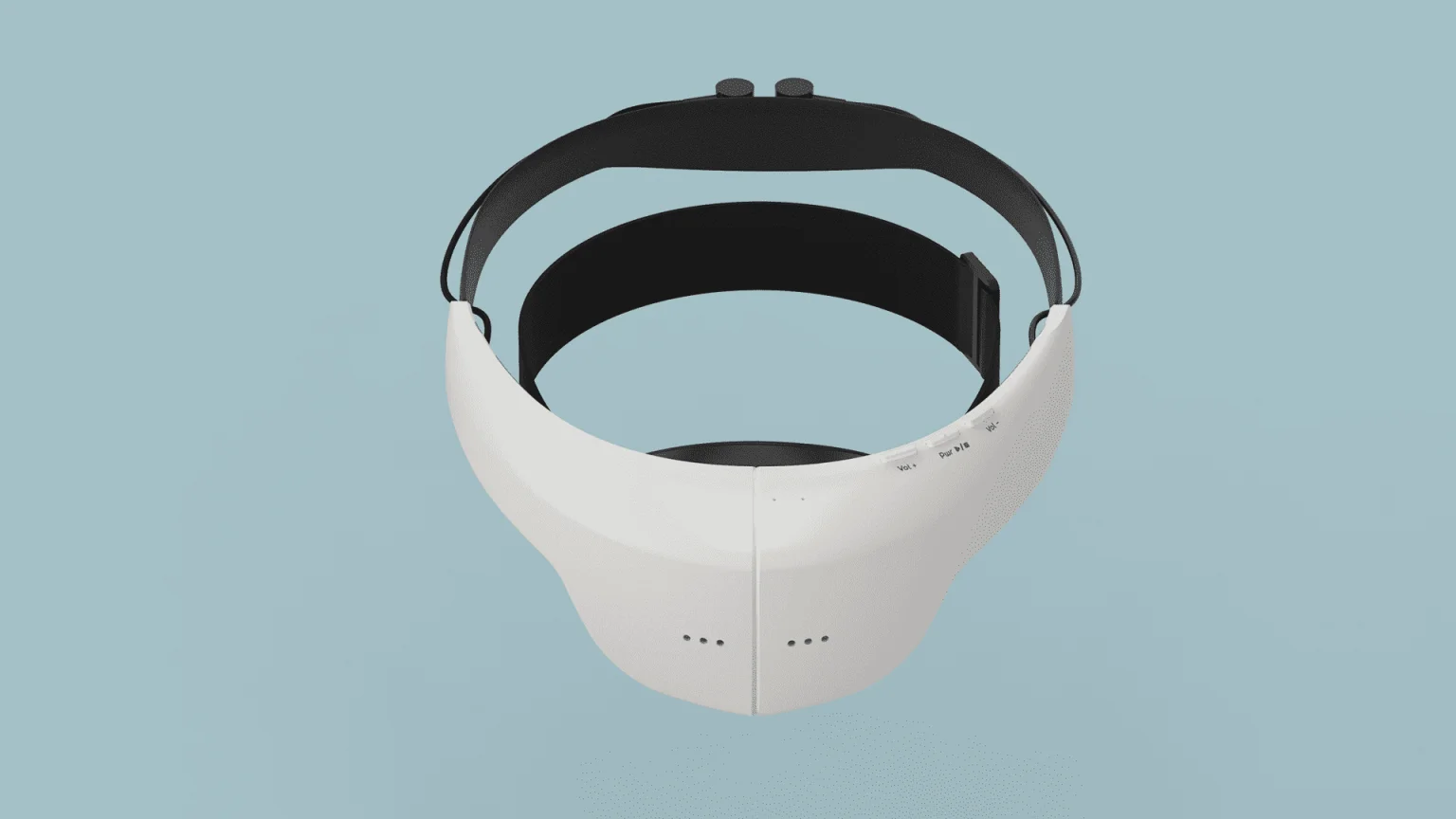
We based the styling on the look of superheroes from films and comics, finding a balance between humour and fun, a cultural reference and modern technology. The concept we chose has the most ergonomic housing of those we explored: it lets you put the mask on and take it off quickly, pressing and positioning it correctly on the face.
Hushme is a one-of-a-kind device, so development took longer than we had planned at the outset.
The engineers spent a long time settling the overall dimensions and the sound-insulation structure. More than 10 iterations were needed before the size and the final look were agreed with everyone involved.
We first chose a structure with two latching halves, but it allowed sound to leak and badly hurt the prototypes' test figures. It was too late to abandon the design concept, so we turned a symmetrical device into an asymmetrical one, moving the acoustic chamber into one of the halves. The outward appearance barely changed.
Electronics and acoustics were obviously the hardest part of the project, and we knew it. Weighing the factors that affect the device's acoustic behaviour against the effort of tuning them, we decided to cut part of the functionality and keep only the sound features we had working — reducing the intelligibility of speech to the people nearby during a call.
We reworked the headband and the magnetic mounting of the earphones on it. At this stage we also optimised every part for manufacturing and revisited how the product would be painted.
The first prototype was shown at CES, one of the world's largest consumer electronics shows, held every January in Las Vegas. The device caused a stir and drew the attention of major international media — it was covered by the BBC, Time and many others:


After the launch and the interest it generated among potential users, we decided to run a crowdfunding campaign, and chose Kickstarter.
The project hit its goal, which qualified it for Indiegogo InDemand — a programme that lets project owners run open-ended campaigns on that platform.
We did not stop there. Looking at where our backers came from, we found that almost half were from Asian countries. That suggested testing demand with a campaign in one of them, and we chose Japan. The campaign ran for two months and raised eight times its goal.
The mask went into series production and every backer order was delivered. We then manufactured and sold several more batches, through our own shop and a distributor network. Around 5,000 units were produced in total.
We developed a new version — Hushme Air, with replaceable FFP2 filters and an external speaker — but never got to release it. In 2023 the project was closed because of the war in Ukraine.
It was a great journey. We put everything we knew into Hushme and came out of it with more experience than any client project could have given us: our own product, from idea to shelf, including every mistake we paid for ourselves. If you want ARTKB to build you a gadget like this — from concept to series — write to us.


We use analytics cookies (Google Analytics) only with your consent. You can change it at the bottom of the page.
